
 Buy me a coffee?


Michael was known in his circle as the man who knew everything—or at least, that’s what he wanted people to believe. Whether it was the best way to invest, the latest health trends, or obscure political facts, Michael always had an answer. He often cited research, polls, and articles no one had ever heard of. “A recent study says 85% of people are healthier when they eat grapefruit every morning,” he’d proclaim, as if it were gospel truth. Friends were impressed, or at least they pretended to be. But over time, something about Michael’s constant “expertise” began to wear thin.
Underneath his air of confidence, Michael carried a growing sense of anxiety. He wasn’t trying to mislead people; he just felt this nagging pressure to know more than everyone else. The need to be seen as knowledgeable was like armour protecting his fragile self-esteem. What he didn’t realize was that his endless pontificating wasn’t fooling anyone for long. Most people caught on that his “data” was often fabricated or skewed.
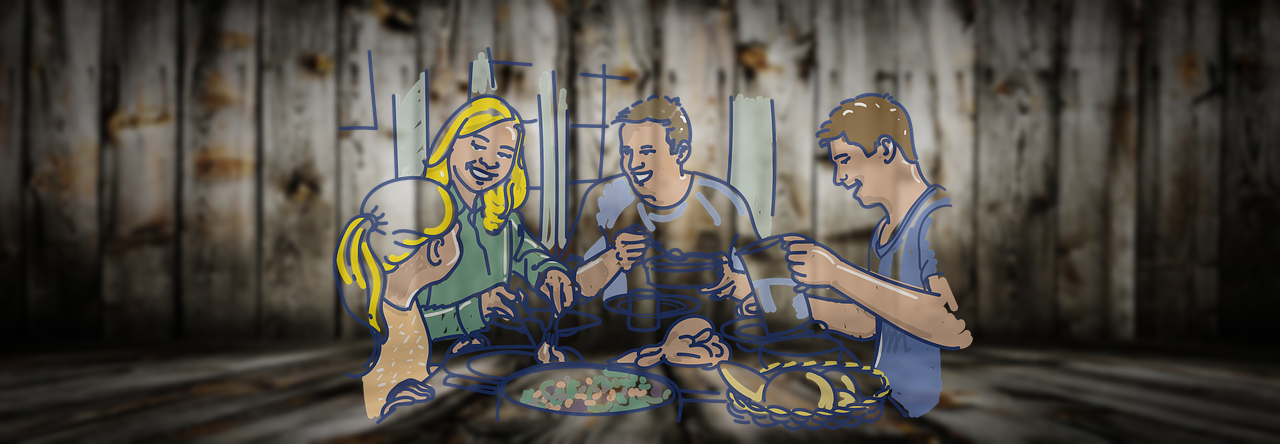
One evening, at a casual dinner party, a friend asked him about a complicated global issue, expecting him to deliver another ready-made statistic. For once, Michael hesitated. His mind scrambled for the latest “poll” or “study” to sound authoritative, but nothing came. The silence was unbearable.
Instead of making something up, he sighed and admitted, “You know, I actually don’t know much about that.”
To his surprise, no one mocked him. In fact, the atmosphere became lighter, almost relieved. A few others at the table nodded and shared their own uncertainty about the topic. For the first time in years, Michael felt free. He wasn’t scrambling to uphold an image of omniscience. He could just be himself, a man still learning and growing like everyone else.
Later that night, he reflected on why he had always felt compelled to pretend. As it turns out, people who feel the need to project absolute certainty often have underlying insecurities. Psychologists have found that this behaviour, known as “imposter syndrome,” stems from a fear of being seen as incompetent or unworthy. Rather than risking vulnerability, individuals like Michael overcompensate by acting like they know it all. In the long run, this creates isolation, since others can sense the lack of authenticity.
As days passed, Michael found himself more comfortable saying, “I don’t know.” He no longer felt the pressure to provide a perfect answer or cite a non-existent source. Conversations became more engaging as he listened more and spoke less. He even started learning from others, rather than just pretending to teach. His friendships deepened, and for the first time in a long while, he felt genuinely connected to the people around him.
The lesson Michael learned was simple yet profound: there’s no shame in not knowing. In fact, admitting ignorance is the first step toward true learning and authentic relationships.
Moral of the story:
True wisdom lies in recognizing that no one knows everything. Admitting our limitations allows us to grow, connect with others, and live with authenticity. There’s no shame in not knowing; only in pretending that you do.




Leave a Reply