
 Buy me a coffee?
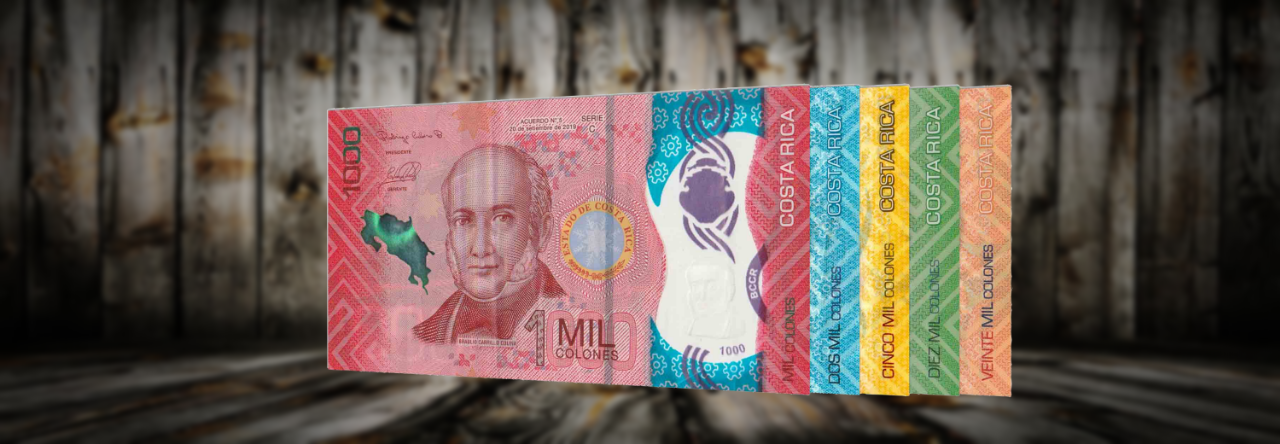

If money talks, then Costa Rica’s currency doesn’t just whisper. It sings, dances, and throws in a few wildlife facts for good measure.
The official currency of Costa Rica is the colón (named after Christopher Columbus, who is Cristóbal Colón in Spanish). Introduced in 1896 to replace the Costa Rican peso, the colón has stuck around through revolutions, recessions, and more tourists than you can count. It’s pronounced co-LOHN, which is worth noting so you don’t accidentally ask for a “colon” and come across as an a-hole at the bank.
A Splash of Nature in Every Bill
Costa Rican banknotes are a tropical delight. Each one is a vibrant colour and features a different animal native to the country. You’ll spot sloths, monkeys, sharks, hummingbirds, and more. It can feel less like a currency exchange and more like a trip to the rainforest. It’s almost a shame to spend them, although most vendors won’t accept your polite offer to “just look at them for a bit longer.”
But they’re not just pretty; they’re practical too. In 2011, Costa Rica introduced polymer banknotes (yes, the same kind used in Canada) to replace its older paper bills. These new notes are waterproof, harder to counterfeit, and include clear plastic windows, just like Canadian money. So if you accidentally drop your 1,000 colones into your café con leche, not to worry. Just give it a rinse, dry it on a rock in the sun, and it’s good to go.
Canadian Dollars vs Costa Rican Colones
Let’s talk numbers. At the time of writing:
$1 CDN = 371.56 CRC
$100 CDN = $37,155.50
Of course, rates fluctuate daily, but the general rule is this: if you’ve got Canadian loonies, you’ll have a lot more colones jingling in your pocket. Just don’t get too excited. A can of local Imperial beer might still run you 1,200 to 1,500 colones at a bar, which works out to about 3 to 4 Canadian dollars, depending on the vibe of the place and your level of thirst.
Where it gets interesting is when purchasing a bigger item. A $30,000 (CDN) car will cost you over $11.1M Colones.
Comparing Bills: Maple Leaves and Monkeys
Canadian bills are known for their iconic colours and historical figures—blue fives, purple tens, green twenties. They also feel like slightly slippery plastic, thanks to the polymer material we switched to in 2011. No more soggy bills in the laundry. There’s a clear window, holographic elements, and enough security features to impress a spy.
Costa Rican colones share the colour scheme and slick feel but crank up the nature. Instead of prime ministers and monarchs, their notes showcase tapirs, sea turtles, jaguars, and toucans. It’s like holding a guided tour in your hand.
And while Canadians are used to their cash smelling vaguely of maple syrup (it’s a real rumour, we don’t judge), Costa Rican notes just smell like, well, money—unless you’ve been keeping them in the same pocket as your gallo pinto.
A Currency with Character
While the colón may not stretch quite as far as it once did, it’s a charming currency that reflects the country’s rich biodiversity and easy-going lifestyle. Whether you’re tipping your surf instructor, buying fresh mangoes from a roadside stand, or paying for a zipline adventure through the jungle, you’ll likely be greeted with a smile and a fistful of colourful bills.
In the end, money in Costa Rica isn’t just a medium of exchange. It’s a vibrant reflection of pura vida culture. So if you’re planning a trip, brush up on your conversions, bring a sense of humour, and don’t be surprised if you find yourself wishing your own country’s currency had a few more monkeys on it.




Leave a Reply