
 Buy me a coffee?
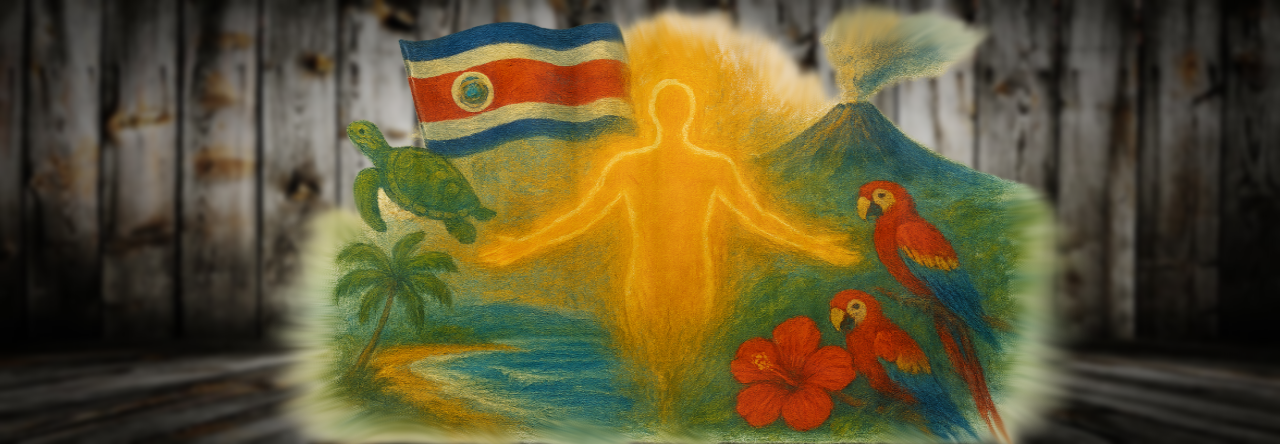

When I first set foot in Costa Rica, I expected beaches, jungles and toucans. I found them, of course, but I also found something more, something that cannot be tucked into a postcard. Pride. Pride in a small country that has built a way of life worth noticing, not only for those of us who chose to move here, but for the rest of the world watching from afar.
It begins with how Costa Rica treats the land, but it does not end there. This little nation has earned its pride across many fronts:
- Clean electricity, year after year: since 2015, Costa Rica has consistently generated more than 98 percent of its power from renewables like hydro, wind, geothermal and solar.
- Net-zero by 2050: the National Decarbonization Plan sets out clear steps to achieve full carbon neutrality within a generation.
- Big nature for a small country: about 26 percent of Costa Rica’s territory is protected, including 28 national parks.
- Biodiversity hotspot: home to roughly six percent of the world’s species, packed into a country smaller than Nova Scotia (slightly smaller than West Virginia, for our American readers).
- No standing army since 1948: a bold decision that redirected resources into schools, health and culture.
- Universal health care: the CCSS provides coverage for nearly everyone, with outcomes ranking among the best in the Americas.
- The Nicoya Blue Zone: one of the world’s rare longevity hotspots, where strong family ties and simple living keep people thriving.
- World Happiness top tier: consistently ranked as one of the happiest countries on Earth, leading the Americas.
- Peace and stability: among the most peaceful nations, and the safest in Central America.
- Press freedom leadership: one of the freest media environments in Latin America, with independent voices protected.
- Human rights hub: San José is home to the Inter-American Court of Human Rights, influencing the continent.
- Marriage equality pioneer: in 2020, Costa Rica became the first Central American country to legalize same-sex marriage.
- Early abolition of the death penalty: abolished in 1877, setting a humanistic course for the future.
- Paying people to protect forests: the Payments for Environmental Services program turned conservation into a livelihood.
- Education first: free and compulsory schooling has helped build one of the highest literacy rates in the region.
- Ecotourism leader: Costa Rica wrote the playbook on sustainable tourism that funds conservation and rural communities.
- Clean geothermal know-how: harnessing volcanic energy responsibly through advanced geothermal plants.
- Active civic culture: strong cooperatives and community groups keep problem-solving close to home.
- Disaster readiness and science: world-class monitoring of volcanoes, earthquakes and weather, supported by respected universities.
- Pura Vida culture: kindness, gratitude and joy in simple things, woven into everyday life.
For me, living in Costa Rica has been humbling. Pride here is not loud, it is lived out in choices that favour peace over war, forests over factories, and community over isolation. It is felt in the respect for nature, in the kindness of strangers, and in the quiet contentment that people carry with them. In a world that often measures success in the size of an economy or the strength of an army, Costa Rica offers another way.
At the heart of it all is that simple phrase, Pura Vida. It is more than a greeting, it is a philosophy. It speaks of gratitude, of joy, of appreciation for what is already here. To live here is to learn that true wealth lies not in what we collect, but in what we cherish. That is why those of us who call Costa Rica home feel such pride. This is a small country, yes, but one that carries a lesson far bigger than its borders. Life is not complicated here. It is, quite simply, pure life.



Leave a Reply