
 Buy me a coffee?
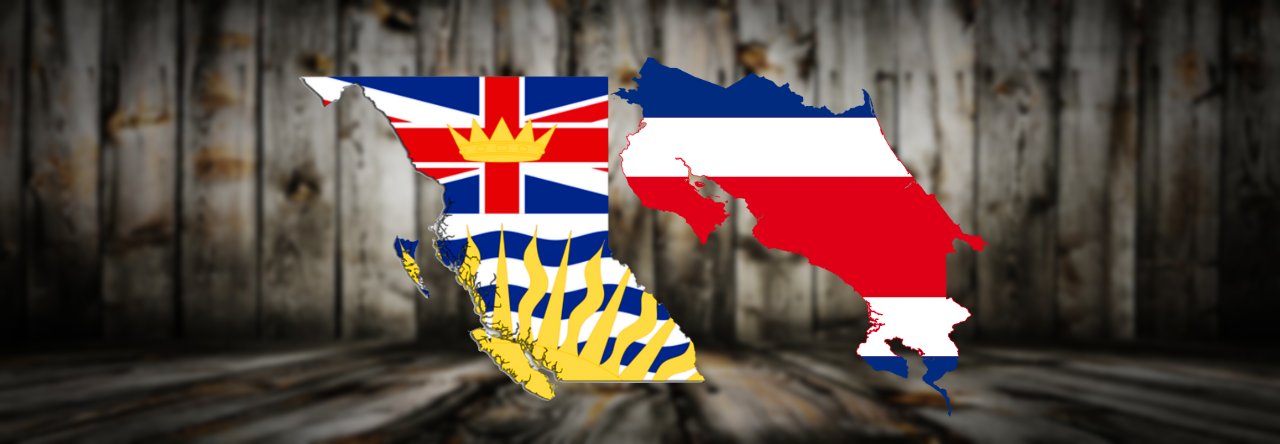

I have never been one for heat. Living in Penticton, British Columbia, for 30 years, I always felt summers were too hot, with temperatures often soaring into the 30s. “Oh, but it’s dry heat,” people would say, but that never helped me much. I was never big on travelling either. My den, my serenity, was found at the cabin in the bush, hunting, fishing, or simply enjoying the quiet.
I was in my fifth decade on this planet when I left Canada for the first time beyond the U.S., when my wife talked me into going to Cabo San Lucas. She pulled off that tour de force by convincing me to go ocean fishing. Mornings I could handle, but by afternoon I was back in the hotel room, hiding in the air conditioning.
So when I announced I was moving to Costa Rica, it surprised everyone, including myself. Why would someone who complains about heat and dislikes travel pack up and move to the tropics? I can sum it up in two words: Change and Research.
I needed change more than ever. The political climate in Canada, combined with how society was conducting itself, was wearing me down. It was everywhere: in the news, on social media, even within families. The future looked bleak. Governments were failing to deliver, alternatives were worse, and divisions among Canadians were only deepening. It turns out I was right.
There is an old saying that insanity is doing the same thing over and over while expecting different results. If the world around me was not going to change, then I had to. I cannot control others, only myself and my reactions. Costa Rica offered me hope, and I needed that more than anything.
Of course, change does not come without adaptation. Aside from driving, which I already wrote about, a few things required some adjusting.
The most obvious is the language barrier. They warn you about it, and they are right. But we are working on it, making a real effort. French is my mother tongue, English came later, and now Spanish is the next challenge. One day, I will be trilingual.
The second hurdle came in an unexpected form. We were prepared for “Tico time,” which means bureaucracy and trades move slowly. That was not shocking. What was surprising was how difficult it was to get a clear answer to even simple questions. It took two months to receive the totes we shipped from Canada. Every time I asked, I got nowhere. Finally, a fellow Gringo pointed us toward a company that actually helped. Buying a vehicle was the same story: lots of confusion, very few straight answers.
Food was another adjustment. Steak here comes from Brahman cows, which means it is lean, chewy, and very different. The first ribeye I ordered, I barely touched half. That’s until I found out about beef from Nicaragua, a better alternative, which is available here. Ground beef in Costa Rica is excellent, lean and well priced. Chickens are big and juicy, pork is much like Canada, and eggs are farm-fresh and dirt cheap. Then there is cilantro. Costa Ricans love it, and they put it in almost everything. I, on the other hand, cannot stand it. In restaurants I suffer through it if I must, but at home it is banned from my plate.
Another big adjustment is pricing. Vehicles and housing are based on U.S. dollars, which changes the math quickly when your pension comes in Canadian. Every purchase feels like playing currency roulette, except the house always wins and the house is the exchange rate. You learn to squint at the numbers, breathe deeply, and remind yourself that at least mangoes are free when they fall off a tree.
After more than thirty years in British Columbia, I decided to hang up my snow shovel and try something radical: being warm on purpose. I now live in Costa Rica, where the seasons no longer try to kill you, and the only thing falling from the sky is the occasional mango. Life here is not without its challenges, but it is better when your biggest worry is whether the sloth above you will blink sometime this week.
Here are ten reasons I traded in my parka for palm trees:
- Sloths > Grizzly Bears
In British Columbia, a walk in the woods might mean a close call with a 600-pound carnivore that does not care about your peaceful vibes. In Costa Rica, the worst you will face is a sloth glaring at you, and it will reach you sometime around Thursday. I will take my chances with the soggy pillow of the animal kingdom. - No Winter Tires, No Seasonal Panic
Every October in B.C., the scramble begins: have you switched to winter tires yet? In Costa Rica, nobody cares about tread. Your biggest traction concern is slipping on a wet banana leaf in your sandals. - Avocados Are Not a Luxury Item
In B.C., buying a ripe avocado requires a small loan and a backup plan in case it is brown inside. In Costa Rica, they fall off trees like dandelions. Guacamole is basically a birthright. - “Pura Vida” Is a Way of Life, Not a Slogan
Back in B.C., work-life balance is something people talk about while working 60 hours a week and checking emails on hiking trails. In Costa Rica, “Pura Vida” is real. It means slowing down, taking naps seriously, and treating every meal like a family reunion, even if you are alone. - Rain That Is Warm Enough to Dance In
B.C. rain feels like nature slapping you with a wet sock. It is cold, sideways, and somehow insulting. In Costa Rica, rain is warm, soothing, and oddly romantic. You do not run from it. You might even wash your hair in it. - The Pacific Ocean Does Not Require a Wetsuit and a Will
In B.C., the ocean numbs you faster than a dentist’s needle. In Costa Rica, it is like a warm bath with waves. You do not need a towel, you need a margarita. - No “Wind Chill” Forecasts
In B.C., -5°C feels like -13°C because the wind hates you. In Costa Rica, the forecast is simple: hot, beautiful, maybe rain later. No layers of fleece required. - Fruit That Actually Tastes Like Fruit
Fruit here is not bred for shelf life or truck travel. A pineapple tastes like the one pineapples dream of being. Bite into a mango and you can practically hear a choir. - No Property Tax Anxiety
In B.C., owning a modest home feels like competing in the Hunger Games. In Costa Rica, homes are for living in, not speculating on. And you can still afford a view. - Dry Season Is the Real Deal
B.C.’s “dry season” is usually one afternoon in July before the smoke rolls in. In Costa Rica, it actually exists. Clothes dry on the line, hair dries in the sun, and the weather does not cram four seasons into one day.
Final Thought: Snow Pants Do Not Belong in Retirement
I love Canada. I love poutine, politeness, and the way people say “sorry” when you step on their foot. But I have reached the stage of life where I would rather sip fresh coffee on a porch in the tropics than scrape ice off a windshield in a parka that could double as a tent.
As for the heat? We found a location, here in Atenas, where the climate is cooler, with daytime highs to be in the range of 24-29°C, with nights cooling to the low to around 16-18°C… 12 months of the year. It is known for “el mejor clima del mundo“.
To my Canadian friends: I miss you. Truly. But if you need me, I will be outside, barefoot, watching a capuchin monkey blink at me from a tree.
Pura Vida, folks.


Leave a Reply