
 Buy me a coffee?
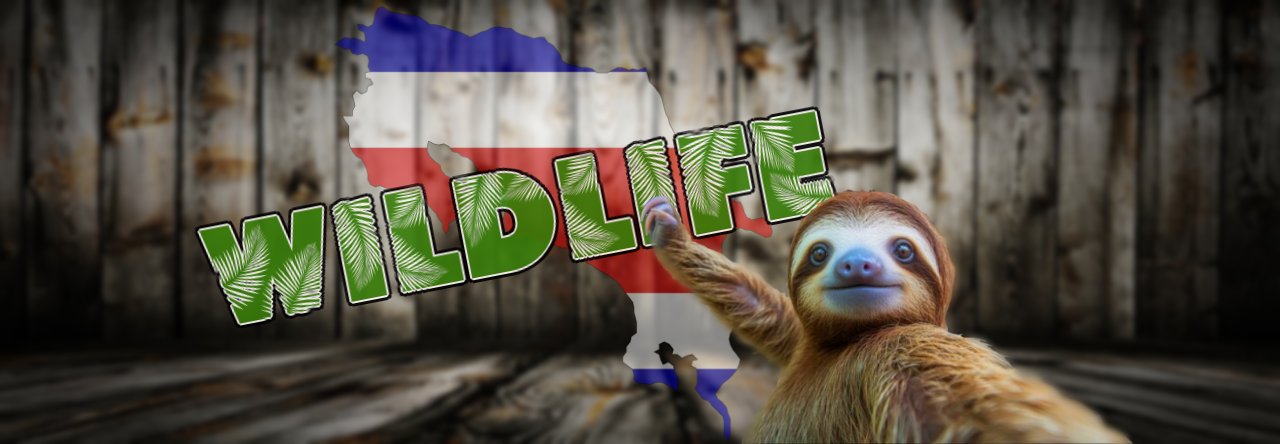

We are the locals, the ones who lived here long before the postcards were printed, the ones who know every mangrove root, every mango tree and every tide pool. We will speak plain, we will be funny when we can, and we will not be shy about telling you what not to do in Costa Rica. Read this like a friendly warning from someone who can smell sunscreen at twenty paces and has seen tourists learn the hard way.
We are capuchin monkeys, we are cute and clever, and for heaven’s sake please do not feed us. When you hand over a snack, you teach a whole troop to expect handouts, upset our natural foraging habits, and put us and you at risk when we start associating people with food. It is illegal to feed wildlife here, so you could face fines if park rangers catch you offering pancakes to a monkey family. Besides, we have thumbs, we steal your picnic perfectly fine on our own.
We are sloths, slow and surprisingly judgmental. Do not try to hug us, do not ask to hold us for a selfie, and do not follow us up the tree with a flashlight. Sloths are sensitive to noise and handling, and wildlife rules restrict touching or handling animals to trained sanctuary staff only, for their health and yours. Use binoculars or the zoom on your camera, keep a respectful distance, and celebrate from afar. If someone offers you a sloth cuddle for a few colones, walk away. The true souvenir is the memory, not a traumatized mammal.
We are sea turtles, we are ancient and intense about our nesting business. If you find a nest on the beach, do not walk on it, do not shine lights into it, and do not try to move a hatchling. Turtle nests are protected; disturbing them harms fragile young and is illegal in protected areas. If you want to help, join a legitimate conservation group and follow their guidance. Also, leave the eggs and shells where they belong; taking shells and coral off the beach is not a harmless souvenir hunt. It contributes to erosion, damages ecosystems, and can get you fined. Customs officers have seen it all, and they are not amused.
We are the hummingbirds and toucans, we enjoy nectar and fruit like the next bird, but decline your invitation to be hand-fed. Costa Rica tightened rules about feeding wild animals, including bird feeders at some lodges, because it creates dependency and spreads disease. If you want birds in your yard, plant native flowering species and let nature do the work instead of setting up an illegal buffet.
We are coatis and raccoons, we are dumpster artists and opportunists. Keep your food secured, do not leave trash where we can reach it, and lock the car if you have snacks inside. Not only will your lunch disappear, you will also teach us to raid cars and resorts, and then rangers may intervene. You do not want a coati that knows how to open a door. Trust us on this one.
We are the coral and the tiny crabs under shells, we are part of the shoreline’s architecture. Removing coral, shells or rocks disrupts habitats and accelerates erosion, and laws protect these resources. Look, photograph and admire, but do not take. If you want a keepsake, buy a locally made craft, not a hollowed-out ecosystem. Many beaches and national parks explicitly prohibit removal of natural materials, and enforcement has increased, including seizures at airports.
We are the mosquitoes, the scorpions and the sunburn that followed you home, we will remind you that some rules are about your own safety. Wear reef-safe sunscreen when snorkelling, follow local advice about freshwater and crocodile warnings at estuaries, and obey signs about tides and currents. If someone tells you a beach is unsafe for swimming, believe them. Locals have context that a map does not. Use common sense, be careful at night in certain areas, and keep your valuables secure.
We are the old trees, the guides, the people who live here, and we will say this plainly: do not buy wildlife products, do not support attractions that keep animals chained or out of their habitat for photos, and do not take part in tours that feel wrong. Ethics matter. A cheap photo with a captive animal often hides abuse, illegal capture and a very sad story. If you want an ethical wildlife encounter, ask questions, read reviews, and choose organizations that prioritize conservation and rehabilitation.
Short list for humans who want to do right:
- Do not feed wildlife, ever, in parks or at lodges. It is illegal and harmful.
- Do not remove shells, coral, rocks or plants, especially from parks and protected beaches.
- Do not touch or hold wild animals for selfies. Keep a respectful distance.
- Secure food and rubbish, lock cars if you have snacks, and follow ranger instructions.
- Ask, read and choose responsible tours that prioritize conservation.
Costa Rica is generous, it rewards curiosity and respectful behaviour. Be the visitor the jungle remembers fondly, not the one who taught a monkey to beg or emptied a beach of its shells. You will leave with better memories, better photos and a clear conscience.




Leave a Reply