
 Buy me a coffee?
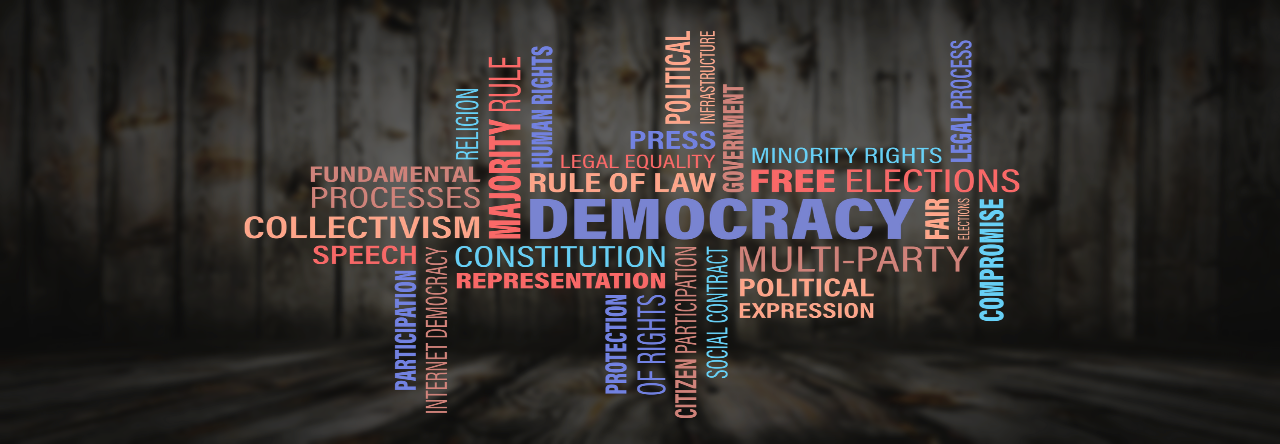

Freedom is a curious thing. When it is strong, we hardly notice it. It sits quietly in the background, like a steady heartbeat that reminds us all is well. We walk where we wish, speak our minds, question authority, and believe that our rights are permanent. Yet freedom, like trust, can weaken not with one loud crash, but with a series of soft, almost unnoticeable cracks.
It often begins with something small: a law that limits expression in the name of order, a social movement silenced for being “divisive,” or an institution bending its principles to protect political convenience. One by one, these moments gather weight. Before long, the ground that once felt solid begins to tremble.
For many years, the United States stood as the symbol of liberty and democracy, the place where personal rights were not just protected, but celebrated. Yet today, that image flickers. Debates over banned books, restrictions on women’s rights, growing political polarization, and challenges to the electoral process have left many citizens uneasy. Protesters gather in parks and on city streets, not as radicals, but as ordinary people asking a simple question: What happened to the freedom we once trusted?
The “No Kings Day” gatherings on October 18th were a reflection of that unease. Millions around the world, including Americans, participated not as an attack on leadership, but as a reminder that democracy cannot thrive under the shadow of unchecked power. People stood side by side, holding signs, lighting candles, and raising voices not in anger, but in remembrance of what freedom truly means.
It is easy to forget that freedom requires participation. It does not defend itself. Silence, however comfortable it may seem, becomes the perfect climate for control to grow. History has shown us this pattern time and again: people surrender small liberties for security, convenience, or belonging, until they wake up realizing they have surrendered too much.
Defending freedom does not mean fighting every law or distrusting every leader. It means staying awake, informed, and brave enough to question. It means protecting the right of others to disagree with us. It means remembering that democracy thrives not through loyalty to a party or a figurehead, but through loyalty to principle.
Freedom is not won once and kept forever. It is renewed each time a citizen speaks truth to power, each time a community stands together for justice, each time a person refuses to let fear silence conscience. When freedom feels fragile, it is not a sign that it is dying, but that it needs our attention, our courage, and our care.
The world does not need more kings. It needs more people who understand that liberty, though delicate, grows stronger when shared and defended by all. Do rest assured though… the world is watching.
In the end, the greatest threat to freedom is not a law, a leader, or an ideology. It is our willingness to believe that it cannot be lost.




Leave a Reply