
 Buy me a coffee?
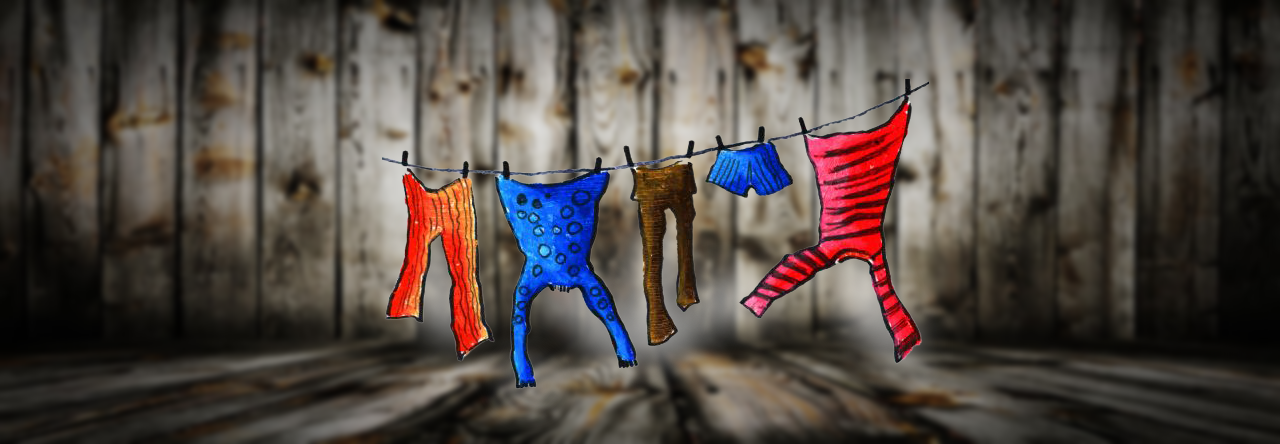

I have come to the conclusion that clothing sizes are less a system and more a personality test.
In one store, I am a respectable large. Not flashy, not excessive, just… dependable. The kind of size that pays its taxes on time and returns shopping carts. Then I walk ten feet into another store and suddenly I am an double extra-large, possibly with a postal code. Somewhere between those two fitting rooms, I apparently ate a family of four and a Labrador.
At this point, sizes are not measurements. They are moods.
Trying on clothes has become a bit like online dating. The description sounds promising, the photos look decent, and then you meet in person and think, “Well, this is not what was advertised.” That “relaxed fit” shirt? Relaxed for whom, exactly. A retired sumo wrestler on a beach vacation. Meanwhile, the “slim fit” version assumes I have been fasting since 1998 and doing yoga with monks in the Himalayas.
Even the numbers themselves are a bit cheeky. A size 32 used to mean something concrete. Thirty-two inches. A number you could wrap a tape measure around and have a civil conversation with. Now a 32 is more of a suggestion, like “serve chilled” or “call your mother more often.” It may or may not reflect reality, depending on the brand, the season, and the emotional state of the designer.
Women, of course, have been living in this circus for decades, watching sizes bounce around like they are part of a rigged carnival game. But men are catching up. Equality, it seems, has arrived in the most unexpected place: confusion.
There is also the delicate art of “vanity sizing,” which is a polite way of saying, “Let’s lie, but make it flattering.” A size medium today would have been a large twenty years ago, and in another twenty years, we may all be walking around proudly wearing extra-smalls while quietly needing two seats on the bus. It is the only place in life where denial comes with a receipt.
And yet, we play along. We step into those fitting rooms, under lighting that could interrogate a suspect, and negotiate with fabric like diplomats at a tense summit. We twist, we suck in, we turn sideways as if that angle might reveal a more acceptable version of ourselves. At some point, we all perform that little bounce, as if a quick hop will magically redistribute everything into a more socially acceptable arrangement. Spoiler alert. It never does.
The real comedy is not in the sizes themselves, but in how seriously we take them. A tiny label stitched into a waistband has the power to alter a person’s entire mood. One number, one letter, and suddenly the day feels heavier or lighter. It is remarkable, really, that we have handed over that kind of authority to something smaller than a postage stamp.
Imagine if we treated other parts of life this way. You go to a restaurant, order a steak, and the menu informs you that today you are a “slightly disappointing medium-rare human.” Or you walk into a bank and they tell you your financial status is now “extra hopeful with a hint of denial.” We would laugh them out of the building. Yet with clothing, we nod politely and say, “Yes, of course, I am apparently a circus tent.”
Here is the part that catches you off guard. The clothes are not actually lying. They are just not talking about you. They are describing themselves.
That shirt is a “small” because it was cut that way. Those pants are a “large” because of how they were made. The label is not a verdict on your body any more than a shoe size is a judgment on your worth. It is simply a description of fabric that has never met you until this awkward moment under fluorescent lighting.
Somewhere along the way, we flipped the script. We stopped seeing clothes as things meant to fit us and started seeing ourselves as things meant to fit them.
That is the real fiction.
Not the sizes, not the labels, not even the wildly optimistic “slim fit.” The fiction is the quiet belief that we are the problem when something designed by a stranger, in a factory we will never see, does not align with our very human, very real shape.
So the next time you find yourself holding up two identical “mediums” that could each house a different version of your life, take a breath and have a small chuckle.
It is not you. It never was.


Leave a Reply