
 Buy me a coffee?
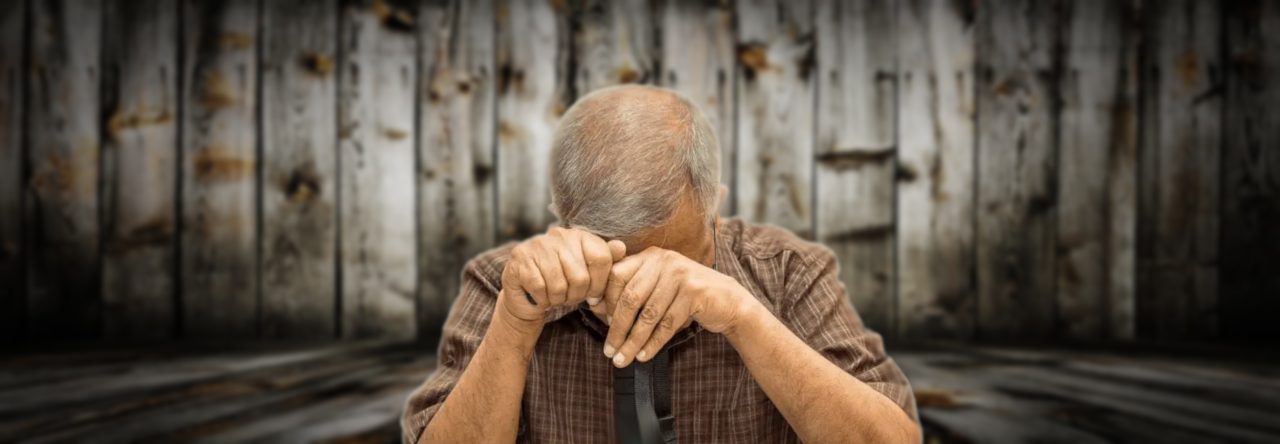

When we’re children, we see our fathers through the eyes of convenience. We notice the rules, the lectures, the curfews, and the times they said “no” when we desperately wanted to hear “yes”. We remember the missed hockey games because he had to work, the evenings when he came home too tired to play, or the moments when he seemed distant, lost somewhere inside his own thoughts.
What we rarely see is the man behind the title.
As children, we tend to measure love by time, hugs, and words. As adults, we slowly discover that love often looks very different. Sometimes it comes home with sore muscles after a day of physical labour. Other times, it arrives in a pressed shirt, carrying the invisible weight of endless meetings, impossible expectations, and the emotional exhaustion that comes with being responsible for others. Regardless of how a father earns a living, many quietly stand guard over the people they cherish most.
They fix broken bicycles before breakfast, shovel snow before the family wakes up, become the steady rock their partner leans on when life grows heavy, and carry the quiet responsibility of protecting the home, not just with strength, but with unwavering presence. Long before anyone else notices trouble on the horizon, many fathers are already thinking about how to keep the storm from reaching the people they love.
Many fathers were raised in a world that taught them to solve problems instead of talking about them. Tears were swallowed, fears were hidden, and asking for help was often mistaken for weakness. They learned that providing was love, protecting was love, and sacrificing was simply part of the job description.
Unfortunately, children cannot always read that language. Instead, they see a man who doesn’t say “I love you” often enough. They see someone who appears strict or emotionally reserved. They wonder why Dad never seems to cry. The truth is, many fathers do cry. They just become experts at doing it where nobody can see.
Some worry about losing their jobs. Others carry stress that would keep most people awake at night. Some battle anxiety, disappointment, or regrets over mistakes they wish they could erase. They question whether they’re good enough, whether they’re providing enough, and whether their children will one day understand why they made certain choices.
They carry those thoughts quietly because, in their minds, home should be the one place where their children feel safe, even if they themselves don’t.
Of course, no father is perfect. Some make mistakes they wish they could take back. Some struggle to express affection. Others allow work to consume too much of their lives while convincing themselves they’re doing it for all the right reasons. Being a father doesn’t come with an instruction manual, only a lifetime of learning, failing, adjusting, and hoping tomorrow they’ll do a little better than yesterday.
As I’ve grown older, I’ve noticed something almost every adult eventually says: “I understand my father now.”
It’s one of life’s quiet revelations. The man who once seemed impossible to please was often terrified of letting his family down. The father who appeared emotionally distant may have simply been carrying burdens too heavy to share. The man who seemed strong wasn’t trying to be a hero. He was simply trying to make sure his family never had to face the storms he was standing in alone.
It reminds me of an old maple tree. Children climb its branches, swing from its limbs, and enjoy its shade without ever wondering what its roots have endured. They don’t see the years of harsh winters, violent winds, scorching summers, and relentless storms. They only notice that it has always been there.
Many fathers are like that maple.
If you’re fortunate enough to still have your father, don’t wait for life’s calendar to make you see him differently. Ask him about his younger days. Thank him for the sacrifices you never noticed. Tell him you appreciate the things that were easy to overlook.
One day, the chair he always sat in will be empty, and you’ll realize that many of the quiet things he did were the very foundation that allowed your own life to stand tall.
Perhaps the greatest lesson isn’t that fathers are strong. It’s that behind every father is simply a man, doing the best he can with the tools life gave him, hoping his children will one day see not only what he did, but why he did it.



Leave a Reply