
 Buy me a coffee?
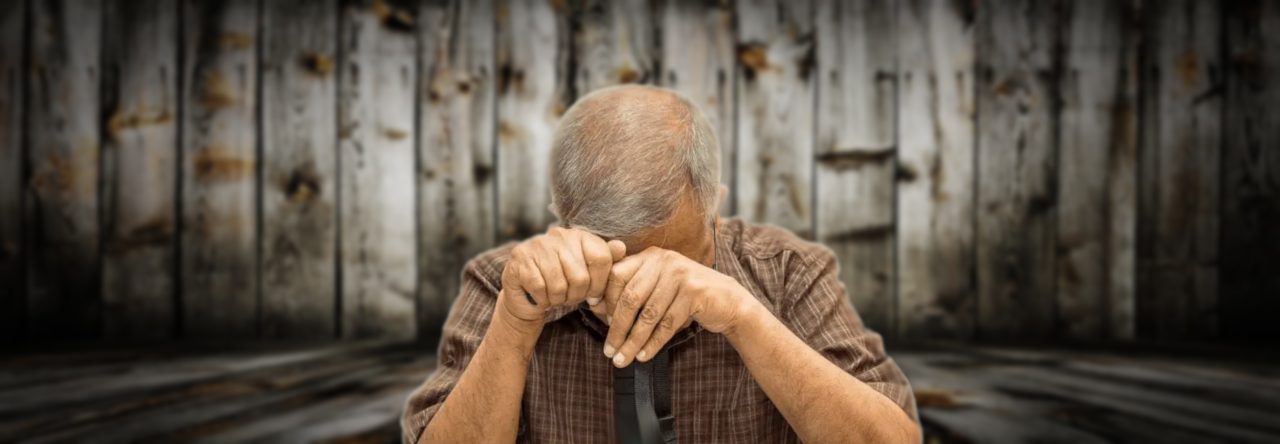

You ever inquire after a man’s well-being and he nonchalantly responds with a simple “I’m alright“? Let me tell you something, my friend. That “alright” doesn’t even scratch the surface of what’s really going on. Behind that facade of composure lies a battlefield of demons so profound, they’d send shivers down your spine. Every single day, he grapples with struggles that would make your heart ache, searching desperately for reasons to keep putting one foot in front of the other. And why does he utter those simple words? Because in this world, as a man, your emotional turmoil is often met with indifference and a sign of weakness. So why bother even voicing it out loud?
But let me level with you, brother. I understand. I’ve been there too. Caught in the crossfire of societal expectations and personal battles, we learn to cloak our pain with a casual “I’m alright” to spare ourselves the burden of vulnerability. But in reality, we’re anything but alright. We’re drowning in a sea of unspoken emotions, silently screaming for someone to notice, to care. Yet, we soldier on, plastering on a stoic facade because that’s what’s expected of us.

You see, it’s not that men don’t want to talk about their emotional baggage; it’s that society has conditioned us to believe that our struggles are insignificant, that vulnerability is synonymous with weakness. So, we swallow our pain, bury it deep within, and continue to march forward, hoping against hope that someday, someone will see through our facade and offer a hand to pull us from the darkness.
And let me tell you, it’s not just a matter of preference. It’s survival. From the moment we’re born, societal norms dictate how we should behave, what we should feel, and even how we should express those feelings. We’re told to be strong, to be the pillars of stability and resilience. And in the face of this relentless pressure, admitting vulnerability feels like waving a white flag of defeat.
Think about it. When was the last time you saw a man openly weep or confess his deepest fears without being met with awkward glances or dismissive remarks? It’s a rarity, isn’t it? Because somewhere along the line, we’ve been conditioned to believe that showing emotions is a sign of weakness, a flaw to be hidden at all costs.
But let me share a little secret with you, brother. Behind closed doors, away from prying eyes, we grapple with our demons just like everyone else. We too battle depression, anxiety, fears that prevent us from even moving. We wrestle with self-doubt, fear of failure, and the crushing weight of expectations. Yet, we’re expected to carry this burden silently, without complaint, without faltering.
So the next time you hear a man say he’s “alright,” take a moment to look beyond the surface. Recognize the silent plea for understanding, for compassion, for someone to acknowledge that his struggles are real and valid. Because until we dismantle the walls of silence that surround men’s emotions, we’ll continue to suffer in silence, drowning in a sea of unspoken words and unshed tears.
But until then, we’ll keep saying “I’m alright,” because that’s all anyone expects us to be.





Leave a Reply