
 Buy me a coffee?
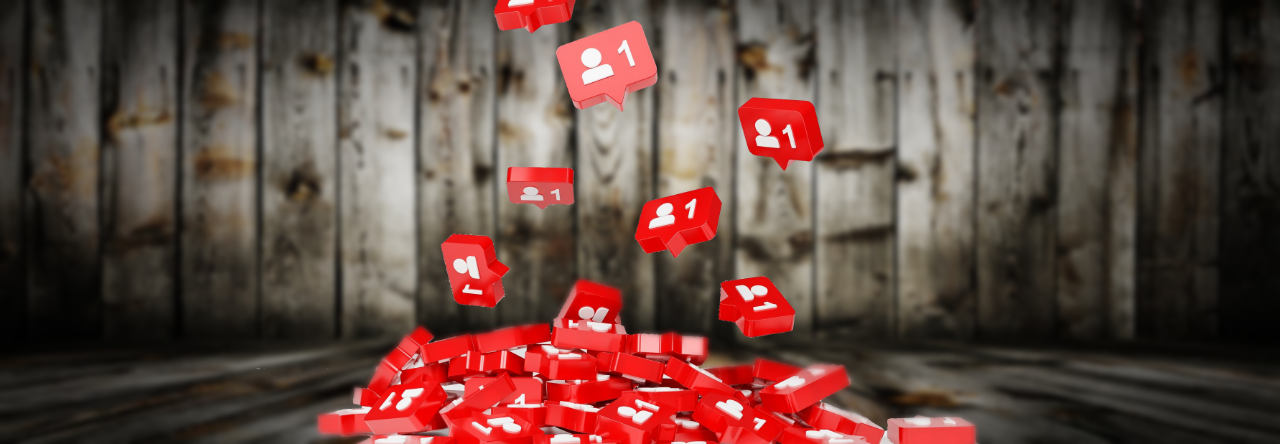

Social media was supposed to connect us.
At least that was the pitch: an easy way to share, stay in touch, and be part of something bigger than ourselves. But instead of building bridges, it’s begun to burn them. It promised community, but has delivered something darker: division, deception, and a disturbingly effective way to spread hate, envy, and lies at the tap of a screen.
The term “MDM”—short for misinformation, disinformation, and malinformation—used to be the kind of thing you only saw in intelligence briefings or academic circles. Now it’s mainstream, woven into our daily lives through the very platforms that were meant to empower us. While we scroll, share, like, and post, we’re often unknowingly helping this poisonous cycle grow.
And make no mistake: MDM isn’t just a nuisance, it’s dangerous.
The Lie Factory We Carry in Our Pockets
We live in a world where people are never satisfied, in large part because the phone in their hand is constantly reminding them they’re not enough. Scroll after scroll, we’re shown curated perfection, vacations, perfect bodies, perfect partners, perfect lives. All staged. All filtered. All lies dressed up as truth.
But instead of recognizing the illusion, people try to live up to it. The result? Anxiety, depression, envy. And in relationships, it gets worse. Many cheat not out of unhappiness, but because they’re constantly fed new temptations. Dopamine hits wrapped in images of strangers they’ll never meet. Real love and loyalty are pushed aside for attention and novelty.
Meanwhile, the “influencer” has become today’s self-proclaimed guru. They offer advice, sell us things we don’t need, and portray themselves as experts on everything from nutrition to politics to morality, without qualifications, accountability, or truth. It’s not about insight anymore; it’s about visibility.
Bullying and the Rise of Digital Cruelty
Perhaps most alarming is the rise of bullying in its most cowardly form: anonymous, relentless, and global. Once confined to playgrounds and office gossip, cruelty now travels at the speed of Wi-Fi.
People have lost jobs, reputations, even their lives over lies spread online. One tweet, one out-of-context clip, one manipulated headline, and the mob forms. No trial, no mercy. Just clicks, shares, and ruin. It’s cancel culture mixed with misinformation, fuelled by envy, and broadcast to the world.
Teens are especially vulnerable. They’re growing up in a world where self-worth is measured in likes and validation is a currency. The damage this does to their mental health is staggering. We are witnessing a generation raised by platforms, not parents.
The MDM Effect: Real Consequences from Manufactured Narratives
The Canadian Centre for Cyber Security defines MDM clearly:
- Misinformation: false info shared with no intent to harm
- Disinformation: false info intended to deceive
- Malinformation: real info used maliciously, often out of context
And social media is the perfect delivery system.
Every day, there are stories about how viral lies have swayed elections, destroyed businesses, and pushed public health backward. The pandemic showed us how easy it is for lies to spread faster than facts. People died because they believed Facebook posts over medical professionals. Measles, which used to be a thing of the past, is now seeing outbreaks due to misinformation mostly transferred through social media. That’s not drama or misinformation, that’s the truth that real people are suffering through.
Even more chilling is how coordinated some of it is. Governments, political operatives, and private interest groups have weaponized MDM to mislead voters, incite fear, and pit neighbour against neighbour. We’re no longer debating opinions, we’re arguing over entirely different realities.
And yes, some of the worst offenders have become household names.
According to artificial intelligence assessments and cross-platform misinformation analysis, Donald Trump, Pierre Poilievre, and Danielle Smith stand out as some of the biggest repeat offenders in this space. Their rhetoric may differ, but the playbook is the same: twist facts, stir emotions, repeat the lie until it sounds like truth. Whether it’s about elections, science, or social issues, the goal is to manipulate, not inform.
The Illusion of Connection
Social media has made us feel more connected than ever… and lonelier than ever, too.
We’ve replaced face-to-face conversations with emojis and text bubbles. We ignore the real people in front of us while obsessing over strangers on screens. We chase digital applause, forgetting that true connection doesn’t come from likes or comments. It comes from being present, honest, and engaged.
And in the background, the algorithms keep feeding us more of what keeps us angry, insecure, divided. Because that’s what keeps us scrolling.
It’s Time to Wake Up
We must reclaim our humanity before we lose it completely. It’s time to stop pretending that social media is just a tool. It’s a tool with intent, designed to monetize our attention and manipulate our emotions.
So we must be intentional in return.
Put the phone down. Look around. Choose connection over content, truth over trend, presence over performance. Start real conversations. Question what you’re fed. Recognize when you’re being used, and push back.
And most of all, stop giving your energy to people and platforms that thrive on deception. Life is too short to live online for other people’s approval. Real love, real peace, and real purpose will never be found in a newsfeed.
It starts with awareness. It ends with choice. Let’s choose better.
For more insights on this topic, you can read the full blog post here: Fake News, Real Consequences.



Leave a Reply