
 Buy me a coffee?

The shepherd found the cub after a spring storm had torn through the valley, leaving mud, broken branches, and a silence that felt heavier than the rain itself. The cub was tucked under a fallen pine, soaked through, shivering, and too young to understand whether the world had abandoned him or simply forgotten him.
The shepherd stood there longer than he should have, because he knew exactly what he was looking at. A wolf cub. Not a stray dog, not a curious hybrid of bad luck and misunderstanding, but a proper wolf with teeth that would one day matter. Any sensible person would have walked away, told themselves it was nature doing its business, and gone home for soup. But sense and kindness do not always travel together, and on that day kindness won.
So he brought the cub home.
The sheep were uneasy from the start, as if they could smell trouble even before it had grown into itself. They watched from a distance while the cub wobbled around the pasture, unsure on his feet, learning the strange rhythm of a life that was not his own. Days turned into months, and nothing dramatic happened, which is often how the most unusual things begin.
The cub did not hunt, did not chase, did not show any interest in the instincts that should have defined him. Instead, he learned to graze, to follow, to belong in a way that required him to forget pieces of himself. Over time, he stopped seeing himself as different and started seeing himself as wrong. A wolf trying to behave like a sheep is not peaceful, it is just confused with good intentions.
The flock noticed, of course, in the way communities always notice difference. They did not reject him outright, but they chipped away at him in small ways. “Too fast,” they would say. “Too sharp.” “Too intense for someone who is supposed to be harmless.” He learned to lower his head, to soften his steps, to apologize for instincts he did not yet understand.
Even his reflection in the stream became something he avoided, as if looking too long might reveal something he was not ready to accept. Somewhere along the way, he stopped asking what he was meant to be and started asking how little of himself he could get away with showing.
One evening, an old ram looked at him for a long time and finally spoke. “You spend your life trying to disappear,” he said.
The wolf hesitated. “It is safer that way,” he replied. “Wolves are not safe things to be.”
The ram gave a slow, tired sound that might have been laughter. “Neither is pretending to be something you are not. It usually ends badly, just with more confusion involved.”
The words lingered, but they had no time to settle properly.
That night, the pasture changed.
The scent came first, sharp and unfamiliar, slicing through the calm. The wolf knew it instantly, even before his mind caught up. Another wolf. A stranger. A real one. Then came the panic, sheep scattering like leaves in wind, the frantic sound of hooves and fear, the kind of chaos that does not wait for permission. The attacker moved through the flock with certainty, as if the world existed only to be taken from. The shepherd was too far, the dog too distracted, and the sheep too afraid to do anything but run in circles that led nowhere.
The young wolf froze.
Everything he had been taught about himself collided in that moment. Wolves were dangerous. Wolves were the reason sheep feared the night. Wolves were what he had spent his life trying not to be. And yet, standing in front of him now, was a truth he could not argue with. If he stepped aside, the flock would suffer. If he held back, instinct would become guilt.
So he did neither.
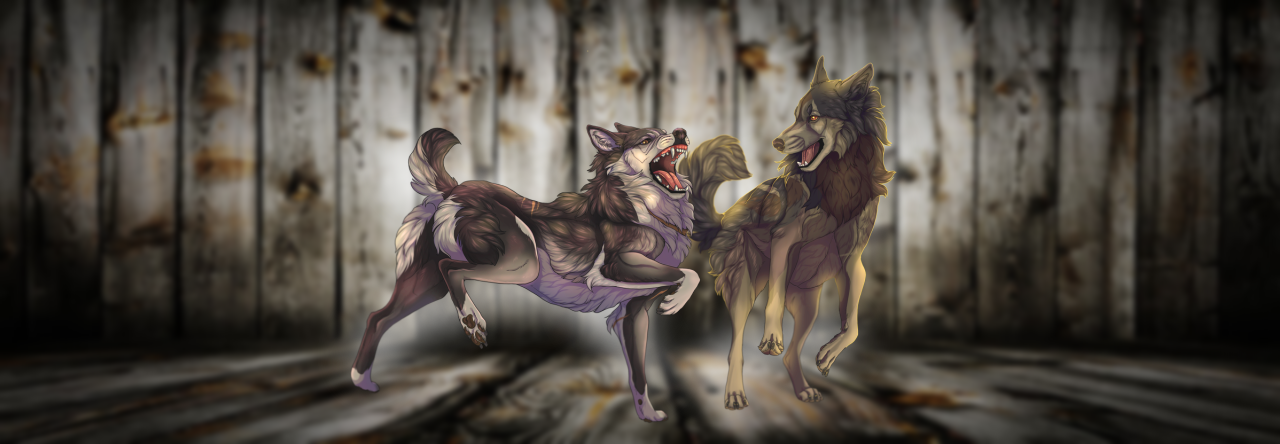
When the stranger lunged, the young wolf met him head-on. It was not clean, not graceful, and certainly not the sort of thing anyone would put in a story to make it sound noble. It was instinct finally allowed to speak without apology. Dust rose, teeth flashed, and the pasture became a blur of movement and noise until the stranger broke away and disappeared into the dark, wounded and unwilling to test his luck further.
Silence returned slowly, like something uncertain of whether it was welcome.
The sheep gathered at a distance, unsure whether to run from him or toward him. The shepherd arrived soon after, took in the scene, and simply nodded as if something long expected had finally occurred. “Good,” he said quietly. “You stopped pretending at the wrong time and chose correctly at the right one.”
The lesson was not about wolves or sheep. It never is. It was about the cost of denying what you are, and the danger of believing that acceptance requires self-erasure. Strength is not the problem. Instinct is not the problem. The problem begins when we confuse suppression with goodness.
A wolf does not become kinder by pretending it has no teeth. It becomes wiser when it learns when to use them, and when not to.



Leave a Reply